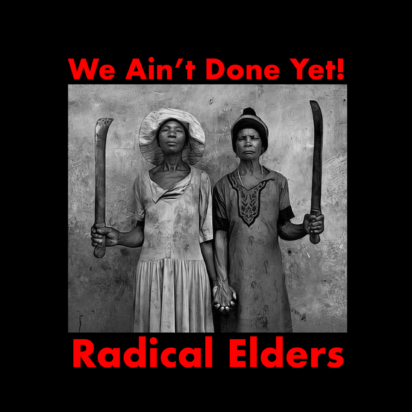
65 Years of Resilience in the Face of Injustice
This is a Radical Elders statement written in solidarity with the Cuban people, emphasizing their resilience and their unique reverence for the elderly, in stark contrast to the treatment of elders in the United States.
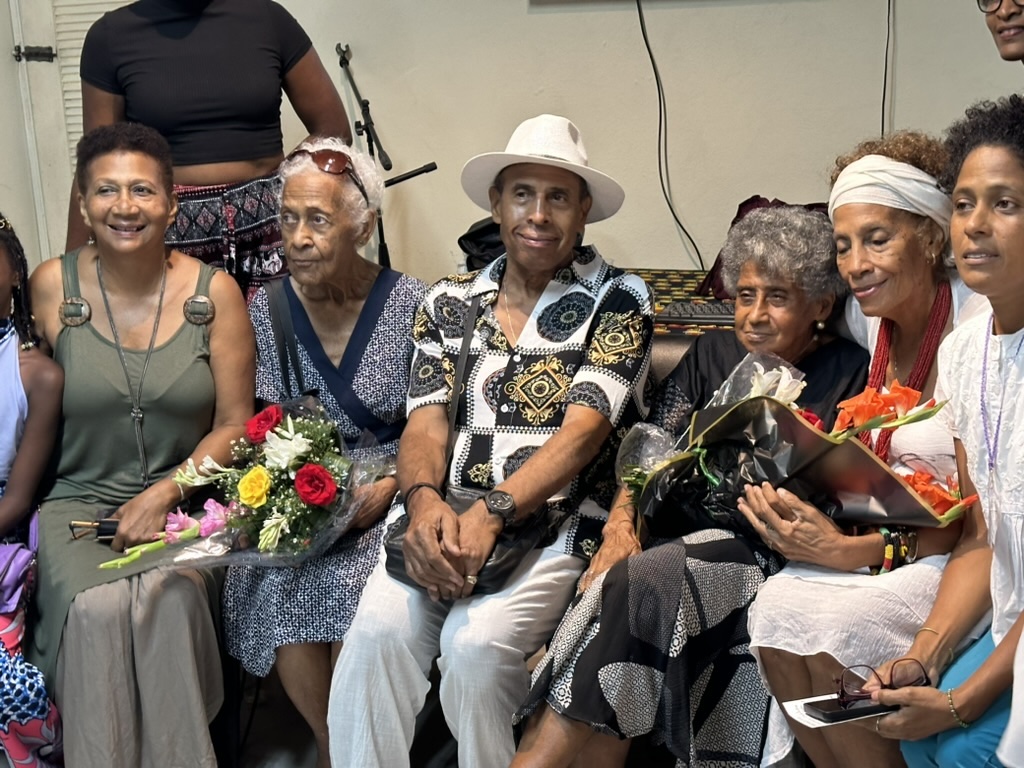
As the world witnesses the latest, most brutal escalation of the United States’ decades-long war against Cuba—a full-blown oil blockade intended to cripple the nation and force regime change—we must reaffirm our unwavering solidarity with the Cuban people. For over 65 years, they have endured the incomprehensible cruelty of an economic blockade designed not to pressure a government, but to punish an entire population for its audacity to seek sovereignty. Today, as the island’s power grid is systematically starved of fuel, plunging hospitals, homes, and schools into darkness, we bear witness not only to this unrelenting oppression but also to the remarkable resilience, dignity, and humanity that defines Cuba.
The current escalation, which has seen the United States intercept oil tankers and threaten other nations with tariffs for sending fuel to the island, is a blatant act of economic warfare and economic genocide. It is a collective punishment against 11 million people, a violation of international law, and a moral crime that the UN General Assembly has overwhelmingly condemned for over 3 decades.
The stated goal from Washington is “regime change”, a euphemism for breaking the will of a people who refuse to bow to imperial decree. Yet, if the architects of this policy believe that starvation and darkness will break the Cuban spirit, they have learned nothing from the past 65 years.
Cuba’s history is a testament to the power of human ingenuity in the face of impossible odds. When the Soviet Union collapsed in the early 1990s, plunging Cuba into the “Special Period”, the United States tightened the embargo, predicting an imminent end to the Revolution. Instead of collapsing, Cuba innovated. It turned to urban agriculture, transforming vacant lots into fertile organopónicos to feed its people. It doubled down on its pharmaceutical industry, developing unique medicines and, most recently, its own COVID-19 vaccines—the first in Latin America—which it shared with the world. When the US blockade strangles its access to oil, Cuba adapts with solar panels, wood-burning stoves, and a stubborn determination to “keep moving forward”, as one Habanero recently put it. This ingenuity is not born of wealth, but of necessity, and it is a direct consequence of a people forced to survive despite the most powerful empire on Earth doing everything in its power to destroy them.
Perhaps one of the most profound distinctions between the society the United States has tried to build and the one Cuba has fought to protect is how they view their elders. In the capitalist ethos of the United States, human value is too often measured by productivity and consumption. The elderly are frequently discarded, isolated in nursing homes, and rendered invisible— a “burden” on a system that worships youth and profit. They are seen as refuse in a culture obsessed with the new.
Cuba represents a radical, humanizing alternative. Since 1959, the Revolution has enshrined the elderly as a vital part of the national fabric. They are not hidden away but are active participants in the community, revered as the repository of historical memory and the living connection to the struggle that built the nation. The state’s comprehensive public health system, which the US blockade has deliberately targeted and degraded, guarantees universal access to geriatric care. Programs like the “University Chairs of Older Persons” and community-based initiatives are designed to ensure “active and satisfactory longevity”, treating elders as “agents of change” rather than passive recipients of care.
For example, Havana’s Karibuni Project focuses on improving the quality of life and empowerment of Black women, while preserving and promoting historical and cultural ties between Cuba and Africa. The project’s name, “Karibuni,” means “welcome” in Swahili. Its social work engages both young and elderly people, using art and cultural expression such as music, murals, dance, and workshops to foster community resilience and preserve family heritage and traditions.
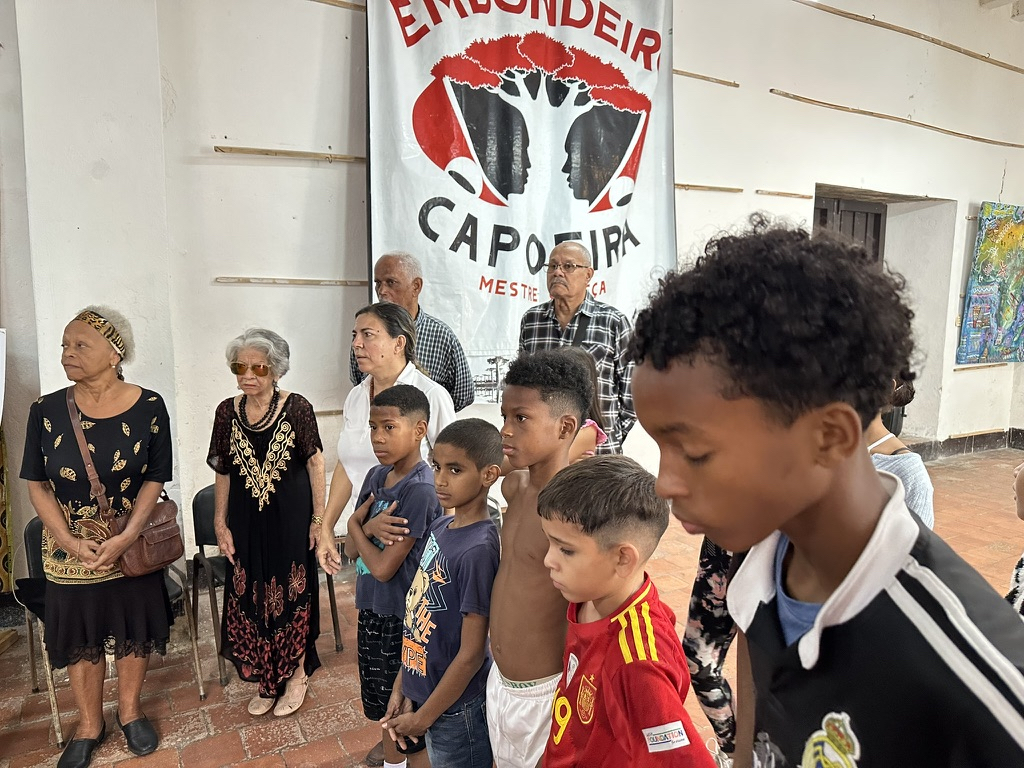
Whereas the US sees its seniors as a problem to manage, Cuba sees its “abuelos” as the foundation of the family and the community. In a time of crisis like the current fuel blockade, it is the grandmother who knows how to stretch a meager ration, the grandfather who teaches resilience to the young, and the elders who remind the nation of the injustice of the prerevolutionary past to which Cuba refuses to return. They are the living proof that a society can prioritize human dignity over market value. It is precisely this humanistic approach—the prioritization of people over profit—that US policy seeks to—as the Felon-In-The-White House loves to say,“obliterate”.
The US blockade is an act of cruelty designed to create so much suffering that Cubans will turn against their government and their revolution. It aims to replace a society that honors its elders with one that discards them. But after 65 years, the Cuban people remain unbowed. Their resilience is a rebuke to the blockade, and their reverence for their elders is a beacon of hope for a world that too often forgets its own.
We stand with the Cuban people, not just in their struggle for survival, but in their defense of a society that treats all its citizens, from the youngest to the oldest, with the dignity they deserve. We demand an end to the blockade. We demand an end to the inhumanity.
¡Viva Cuba! ¡Viva los abuelos!